Okishima:1336 Weapons Tier List (Early Meta)
Community-driven rankings for blades, odachi, and ranged tools while Okishima:1336 is still settling.
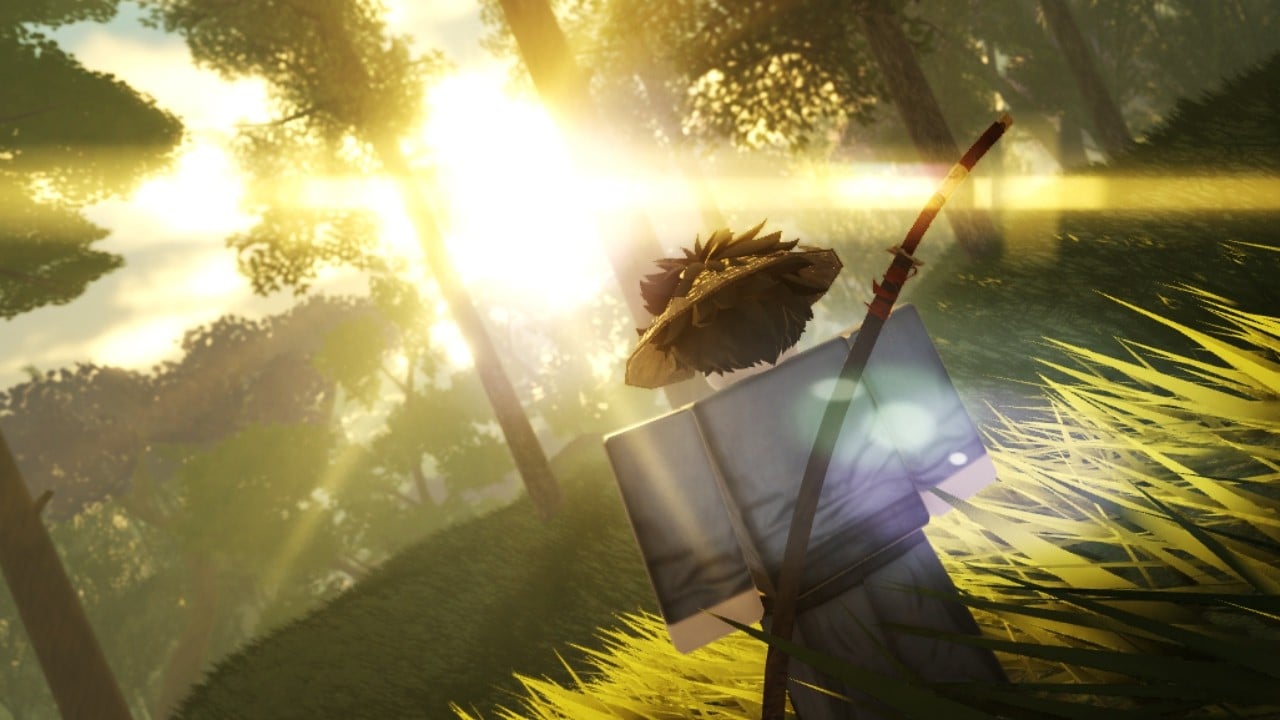
Okishima:1336 launched into a fast-moving Roblox samurai scene, and weapon talk filled Discord and creator chats almost immediately. This page is an early-meta opinion board, not a frozen bible. Patch cadence, talent tuning, and the upcoming clans system can reshuffle everything. Treat every tier label as a snapshot of how players currently feel about momentum, reach, recovery, and armor pressure—not as a promise that one sword will carry forever.
If you are brand new, pair this list with the getting started guide and the deeper combat guide before you dump every coin into a single rarity chase. For group identity and future power spikes, also skim the clans tier framework.
How we rank early weapons
Early Okishima talk clusters around three practical questions:
- Can I win neutral? Reach, startup, and movement after a swing matter more than raw damage numbers on a tooltip.
- Can I punish armor and limbs? Destructible armor and limb slicing reward weapons that keep pressure after a successful parry or clash.
- Can I recover if I miss? Physics combat punishes greedy heavies. Recovery and reposition tools separate toys from tools.
We use a simple S / A / B / C frame:
- S — Flexible in both PvE pressure and PvP duels; easy to recommend to friends.
- A — Strong with a clear condition (spacing, team setup, or talent synergy).
- B — Playable and fun, but you work harder for the same results.
- C — Niche, meme, or waiting on buffs; learn it for mastery, not for climbing.
Rarity upgrades and trainer routes still matter. Buying and upgrading swords for rarity is a real progression loop on the island, so a mid-tier blade with better rarity and a fitted talent can beat a hyped model you cannot swing cleanly yet.
S tier — early consensus picks
Balanced katana-style blades sit at the top of most day-one chatter. Players praise the mix of readable arcs, workable recovery, and enough bite to threaten armor after a parry. In a physics-driven game, a weapon that lets you stay in the pocket without eating every counter is worth more than a flashy two-hander you cannot recover from. If you only practice one family first, practice a standard katana rhythm: short commit, watch momentum, reset feet, re-enter.
S-tier status here means forgiving learning curve + high ceiling, not “statistically broken forever.” Creators like vilIager, F33NY, and Cowoe keep showcasing fluid blade work; mirror those timings more than any spreadsheet.
A tier — strong with conditions
Reach-oriented blades and hybrid setups land in A when you already understand spacing. Longer arcs help in multi-target village fights and when you need to poke a bunker of armored foes, but they punish panic swings in tight interiors. If you raid homes or push fortress corridors, you must shorten your ambition or swap to a tighter blade mid-fight.
Ranged options also sit in A for many players who value openers and escape tools. A bow, thrown, or other ranged kit will not replace sword fundamentals in Okishima’s samurai fantasy, yet it shines when you softens Oni packs, tags runners in bounty chases, or forces a defender to peek badly. The tradeoff is commitment: if you live in ranged mode, you delay armor breaks and limb opportunities that melee creates. Use ranged to create melee turns, not to avoid learning them.
Talent talk currently highlights Kendo and Flowering as styles players mention around trainers on the island. Exact numerical bonuses will shift; the practical advice is to pick a style that matches how you already swing. Kendo-leaning players often want crisp exchanges and disciplined footwork. Flowering chatter trends toward flair, tempo changes, and creative pressure. Test both at trainers before you lock a long upgrade path.
B tier — workable, higher effort
Odachi is the loudest debate piece in early community chat. Some players love the presence, cleave fantasy, and the intimidation of a long curved silhouette. Others call it awkward in tight geometry, slow to redeem misses, and hungry for perfect spacing. Our early call parks odachi in B with A upside: devastating when you dictate distance and fight outdoors or in wide yards; frustrating when you tunnel into doorframes or panic after a whiff.
If you main odachi, lean into momentum literacy. Do not chase every roll. Use the length to tax approach angles, then exit before a swarm wraps you. Pair with teammates who can collapse on a staggered target after your heavy connects. Solo odachi into elite Oni without a plan is how highlight clips become death montages.
Other B-tier mentions include experimental rarity experiments and off-meta blades that feel great in training but lose tempo against players who already mastered katana timings. Keep them as secondaries until you can explain why they win a specific matchup.
C tier — niche or waiting on patches
Anything that demands perfect execution for average payoff belongs here for now: novelty weapons, under-upgraded starters you refuse to replace, or loadouts that ignore armor destruction entirely. C does not mean “delete the game.” It means do not build your first economy around them. Farm, learn, then revisit when you have currency, Clan Tokens context, and a clearer patch picture after events like the November clans drop.
Tradeoffs that matter more than letter grades
Momentum vs greed. Physics combat rewards committed swings that still leave an exit. Players who mash heavies lose to players who parry and steal the turn.
Armor break vs limb focus. Some weapons feel better at cracking plates; others feel better at isolating a limb once armor is gone. Watch what your blade actually removes in a real fight, not what the shop blurb implies.
PvE pack clear vs PvP duel. Village raids and fortress heists favor controlled arcs and team spacing. Pure duelists may prefer tighter blades even if they clear packs slower. Read the raids and heists guide once it is on your route list and adjust loadouts per activity.
Ranged softener vs melee finisher. Softening a target is useless if you never close. Closing without softening is fine until armor sponges your stamina. Build a loop, not a preference bubble.
Upgrade and trainer priorities
- Redeem active codes early so you are not underfunded while experimenting—see the codes list.
- Visit island trainers and sample Kendo and Flowering before heavy spending.
- Upgrade a blade you can already swing cleanly; rarity on a weapon you mis-time is a tax.
- Keep a secondary for interiors or ranged openers instead of forcing one tool into every room.
- Re-evaluate after clan-related systems land; identity bonuses may nudge niches upward.
Practical loadout templates
Duelist starter: balanced katana-style blade, defensive footwork, one ranged poke for whiff punish setups.
Raid support: reach blade or odachi for yard control, teammate on tighter blade for rooms, shared callouts on armor state.
Bounty hunter: ranged opener, sprint discipline, katana finisher—never empty your kit chasing into unknown compounds alone.
How to use this list without getting baited
Ignore anyone selling a forever S-tier after one weekend. Record your own duels. Note where you lose: tip range, recovery, armor time-to-break, or simply bad path choice between Ronin and Shogun fantasies. Path fantasy and weapon fantasy should agree; if they fight each other, switch one. Free switching between Ronin and Shogun exists so you can adapt sessions—weapon choice should be equally flexible.
When clans fully arrive, revisit this page and the clans tier list. Group composition will change which weapons look “optimal” in organized play. Until then, prioritize clean fundamentals over chasing every community hot take.
Closing take
Early Okishima:1336 weapon meta rewards readable katana play, respects ranged as a setup tool, and leaves odachi as a high-expression, high-responsibility pick. Stay curious, upgrade smart, and let patch notes—not ego—retire your favorites.
Frequently Asked Questions
Quick answers to the most common questions.
Is the odachi bad in Okishima:1336?
Not strictly. Early community chatter is split: it can feel strong with space and timing, but punishing in tight rooms or after whiffs. Treat it as conditional rather than trash.
Should I upgrade rarity before learning combat?
Learn swing timing first on a blade you can control. Then push rarity. A rare weapon you cannot recover with still loses to clean fundamentals.
Are ranged weapons viable for PvP?
Yes as openers and disengage tools. Most players still finish with melee because armor breaks and limb pressure favor close exchanges.
Do Kendo and Flowering change weapon tiers?
They can. Styles mentioned by players may amplify strengths or cover weaknesses. Sample trainers before you commit a long upgrade path.
How often will this weapons tier list change?
Expect frequent early shifts after balance tweaks, new weapons, and the clans event. Re-check after major updates instead of memorizing one weekend’s chat.
What should beginners buy first?
A balanced katana-style blade you can practice daily, plus enough resources to visit trainers. Save exotic spends until you know your preferred range.