Okishima:1336 Hunt Oni Without Feeding Them
Prep, armor breaks, patience windows, stance rumors from the community, and exit rules for Okishima:1336 Oni fights.
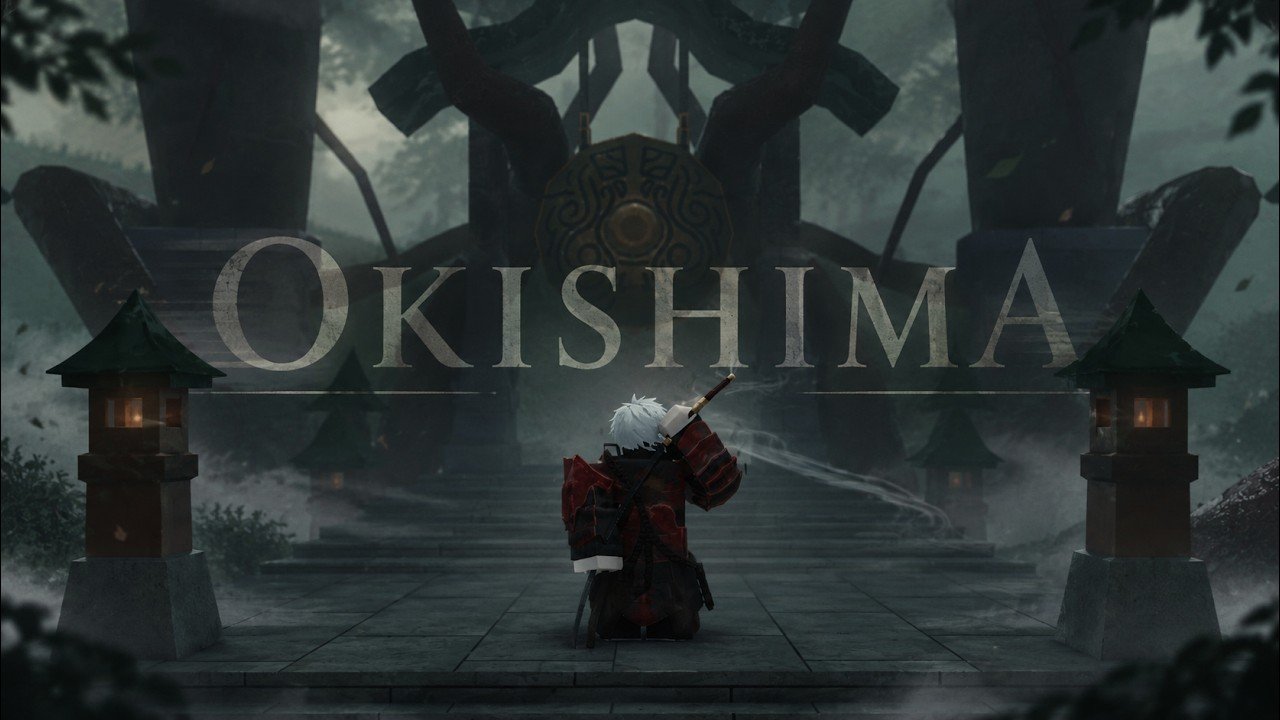
Oni hunting is where Okishima:1336 stops feeling like a cozy island stroll and starts feeling like a physics exam with teeth. You already know the fantasy: raid villages, rob homes, crack fortresses, chase bounties, and duel other players. Oni content sits beside that loop as a PvE stress test—same momentum rules, same armor breaks, same greed traps, louder consequences.
Before you treat every roar as a free highlight, lock the fundamentals from the combat guide, keep a recovery plan from raids and heists, and decide whether tonight is a focused Oni pull or a messy multi-activity hop with bounty hunting. Redeem active codes when you need rerolls or clan tokens, skim updates for patch mood, and sanity-check your blade on the weapons tier list.
What Oni fights actually punish
Oni routes punish three habits more than raw gear gaps:
- Premature celebration after the first stagger.
- Tunnel vision on one limb while adds or armor logic still own the turn.
- Ego spacing with a long weapon in tight geometry.
Physics combat means every swing spends commitment. Momentum that looks stylish on a lone player becomes a donation when an Oni recovers into your recovery. Parries still steal turns—but only when you recognize a pattern, not when you mash fear into every animation. Destructible armor forces a two-phase brain: crack structure, then decide whether limb pressure, reposition, or exit is the real win.
If your duel habits are already solid, Oni hunting is mostly discipline plus pack awareness. If your duel habits are mashy, Oni content will teach you the expensive way.
Prep checklist (do this every session)
Treat prep as a ritual, not a vibe.
- Blade trust: bring a primary whose recovery you can abort mid-mistake. Community debate around odachi is loud for a reason—reach is power and tax. If your tip control is shaky, a balanced blade often clears more Oni than a cinematic slab.
- Secondary plan: interiors, cliffs, and clustered adds change reach math. A secondary for cramped angles saves runs.
- Consumables and panic tools: save them for true overlaps, not the first scary roar.
- Path fantasy check: Ronin or Shogun can switch freely—pick the fantasy that matches tonight’s risk tolerance, not yesterday’s outfit.
- Party roles if duo+: one player calls armor state; one watches adds or exit routes. Short callouts beat novels.
- Server awareness: public servers hold up to about thirty players. An Oni pull can become a spectator event or a third-party buffet. Know whether you want attention.
Island trainers and talent talk (Kendo, Flowering, and similar styles) matter for how you already move. Align style to muscle memory before you chase rarity for rarity’s sake.
The Oni fight loop
Borrow the combat loop and harden it for PvE:
- Enter planted. Feet ready, camera honest, escape lane named out loud if you have a partner.
- Probe once. Learn whether this Oni telegraphs greed early or late.
- Contest the turn. Parry or clash when the pattern is readable; refuse hero timing into a second threat.
- Break structure. Consistent pressure into destructible armor beats random heavy poetry.
- Spend or leave. Take the limb or damage window you earned—then stop toasting animations while adds exist.
Patience is not passive. Patience is scheduled aggression. Players who “wait forever” and players who “swing forever” both die; the survivors wait for a turn, then spend it completely.
Armor breaks and limb priorities
Destructible armor is the Oni’s permission system. Until plates or equivalent structure fail, limb hunger is often a wasted turn. Practical habits that travel across early patches:
- Call state: “plates cracked,” “armor soft,” “resetting.” Your duo cannot read your private highlight reel.
- Prefer steady chunking over one glamorous heavy that returns the Oni’s initiative.
- After armor fails, pick the limb that ends their plan—mobility if they kite you into adds, offense if they are about to delete your partner.
- In packs, finish structural goals, then reassess. Tunneling one corpse while another Oni winds up is how wipe stories start.
Limb slicing is a finisher language, not a religion. Use it when the structure allows.
Spacing, terrain, and camera honesty
Oni arenas are rarely flat courtesy pads.
- Doorways and debris punish odachi ego; courtyards reward tip control if you keep enemies at the tip.
- Elevation changes what “safe” means—test a step before you challenge.
- Camera cliffs and busy VFX make parry literacy harder; take fewer stylish risks until your settings and seating feel stable.
- Soften with ranged openers if you have them, then close on your terms. Ranged is tempo, not a replacement for sword school.
When in doubt, take one step less than pride wants. Oni do not respect pride.
Oni Stance — community tip, not a patch tablet
Community chatter and creator comments often describe Oni Stance as something players earn by killing Oni. Treat that as a community tip and a goal to chase while you play, not as a frozen patch-note guarantee that will never change wording, drop rate, or requirements. Early Roblox samurai titles iterate. Your job is to hunt cleanly, verify rewards in your own inventory and UI, and cross-check updates when the island shifts.
If you are grinding specifically for stance fantasy, keep a simple log: date, group size, blade, outcome. Patterns beat superstition. Watch real clips—such as community shorts about Oni Stance—to study movement, not to copy unverified drop math as law.
Solo versus group Oni pulls
Solo rewards patience, abort discipline, and selfish exit lanes. Pull with purpose. Do not aggro poetry. If a route feels unfair on your current blade, it probably is—regear or return later.
Duo or small group rewards callouts and role split. Assign who breaks armor versus who peels adds. Agree on an abandon phrase before the fight (“stacked two—leave”). Ego silence kills more parties than bad gear.
Public chaos is its own mode. Thirty-player servers mean third parties, spectators, and accidental multi-pulls. If your goal is stance progress or clean practice, quieter timing or a coordinated crew beats peak-hour theater.
Linking Oni nights to the rest of the island
Oni hunting pairs well with a mixed session plan:
- Warm up momentum and parries in a quiet space using habits from the combat guide.
- Fund repairs and risk tolerance through raids and heists without dumping your whole stash into one bad pull.
- Alternate pressure with bounty hunting when you want human reads instead of demon telegraphs.
- Recheck codes after updates; early actives like RELEASE and UPDATE1 matter when rerolls and free rewards are live, while expired codes such as sorryforbugs should stay off your checklist.
- Watch event timing—community calendars point to clan-focused moments such as the November clans event window—so you do not schedule a fragile Oni grind during peak social chaos unless that chaos is the point.
Practice plan (25–30 minutes)
0–5: movement and abort drills only.
5–12: single-strike momentum into full recovery.
12–18: armor-chunk focus on the safest Oni-accessible content you can handle.
18–24: one intentional leave—practice ending a fight early without shame.
24–30: review one death; name the spacing or greed mistake in one sentence.
Repeat three sessions and your clear rate rises without buying a new personality.
Closing take
Oni hunting in Okishima:1336 is combat literacy under louder pressure: plant, probe, contest, break armor, spend the turn, leave before greed writes the story. Respect destructible armor phases, treat limb slicing as earned language, keep community stance tips labeled as community tips, and chain your nights through combat, raids, bounties, codes, updates, and tier-list sanity checks. The island rewards patience with sharper fantasy—not the other way around.
Frequently Asked Questions
Quick answers to the most common questions.
How do I prepare for Oni hunts in Okishima:1336?
Bring a blade whose recovery you trust, a cramped-space secondary, panic tools saved for real overlaps, and a named exit lane. Duo players should assign armor calls versus add watch before the pull.
Should I go for limb slicing immediately on an Oni?
Usually no. Crack or bypass destructible armor logic first, then take limbs when structure allows. Tunneling limbs through full plates wastes turns and invites adds.
What is Oni Stance according to the community?
Players and creator comments often say you earn Oni Stance by killing Oni. Treat that as a community tip to verify in your own UI and updates—not as an unchanging patch tablet.
Is odachi good for Oni hunting?
It can be in open spacing if your tip control is strong. Tight geometry and pack chaos punish long-weapon ego; many hunters clear more content on balanced recovery blades.
Solo or group for Oni content?
Solo teaches patience and abort discipline. Groups clear faster when callouts exist. Public peak hours add third-party risk on ~30-player servers—pick the chaos level that matches your goal.
What should I do after a failed Oni pull?
Leave without stacking pride deaths, repair your plan, recheck combat fundamentals, and only re-pull when armor priorities and spacing mistakes are named out loud.